Healthy Ways to Store Water For Emergency Preparedness – Amounts, Containers and Preservation
http://www.organicsurvivalistsite.com/water-purification-and-storage/healthy-ways-to-store-water
Amounts – How Much Should You Store?
In survival preparedness having enough properly stored water is critical. You can go about 3 weeks without food but only 3 days without water. I’ve seen too many sites recommending storing as a minimum only one gallon of water per person, per day. I disagree with this amount. This is not healthy.
This extremely low number accounts for only two-quarts of drinking water and two-quarts of cooking/sanitizing water, per person, per day. Ideally a person should be drinking at least one half of their body weight in ounces per day for proper hydration.
So, for example, if a person weighs 160 lbs. they should be drinking 80 oz. of water per day which equals 10 glasses of pure water to be properly hydrated…this does not take into account strenuous exercise or hot climates where even more is needed. Add about 2 quarts more per day for these circumstances. It’s also almost guaranteed in an emergency situation you will be engaged in activities that result in increased respiration and perspiration resulting in more water loss….so budget for that in your water storage amounts.
Personally, I would recommend storing at least 2 gallons of water per day per person as the bare minimum amount to store…more is even better…when they body is not properly hydrated many needed functions can start shutting down and an emergency situation is not the time to have your body start shutting down and getting sick. Only 8 glasses per day is not proper hydration for most people….especially in an emergency situation.
Not drinking enough water can cause fatigue, it can also make you feel more hungry, which can lead to going through your food rations more quickly, it can trigger asthma attacks and many other ailments.
Water also contains two molecules of hydrogen and one molecule of oxygen so it is a good source of additional oxygen to the body which helps with killing bacteria and viruses and helps keep the body clean and healthy. Low oxygen combined with acidic tissue can create cancer in as little as 48 hours. So it’s very important to drink proper amounts of water.
You should store at least a two-week supply of water for each member of your family. At 2 gallons per day, per person, for a family of 4, for 2 weeks would be 56 gallons of water….for one month it would be 112 gallons of water.
Containers for Storing Water

So now that you have an idea of how much water you would like to store up on let’s talk about how you plan to store it.
Using just any old container that holds water is not necessarily a safe or healthy way to store water. If you are using plastic bottles caution is definitely warranted. Many plastics contain BPA, a toxic chemical that’s very dangerous in even tiny amounts. BPA is an industrial chemical used to make plastic hard and it has been strongly established as an estrogen mimic that disrupts the endocrine (hormonal) system, with potentially serious effects on development, the reproductive system and the brain.
Make sure if you do use a plastic bottle that it is for certain BPA free. Getting a bottle meant for storing water that is BPA free is fairly easy to find these days now that the health risks of BPA have been receiving considerable attention world wide. More and more manufacturers are providing BPA free bottles and containers.
Glass is another option. It is obviously BPA free and impervious to oxygen and carbon dioxide but has a couple of distinct disadvantages in that the bottles are quite heavy and the glass could easily break if there was an emergency situation such as an earthquake, tornado or hurricane etc… and all your water supply could be gone instantly leaving you in a very serious situation of being without water.
Metal containers are also not a good idea either because metal can rust.
As for which type of plastic is safe to use here are some facts you should know:
Not all plastics contain BPA but just because a plastic does not contain BPA doesn’t mean that it’s completely safe. Several of the plastics that do not contain BPA do contain other toxic chemicals so it’s not always just about BPA.
#1 PET (Polyethylene terephthalate) - The type of plastic bottle in which water and other beverages is usually sold in is usually a #1 PET or PETE and is only recommended for ONE TIME use. Do NOT refill it.
Even though PET does not contain BPA it does contain other chemicals that can be released such as DEHA which has been shown to cause liver problems, other possible reproductive difficulties, and is suspected to cause cancer in humans.
Recent studies have shown that reusing bottles made of #1 PET can in fact be dangerous. #1 PET was found to break down over time and leach into the beverage when the bottles were reused. The toxin DEHA also appeared in the water sample from reused water bottles. Therefore, it’s best to recycle these bottles without reusing them.
#2 HDPE (high-density polyethylene) – HDPE can be used for multiple products. The most common products are food containers like Tupperware or milk containers. These products are made from the same components as PET they are just made to be stronger but have all the same warnings and cautions. Only use the product once. Do not heat the product because it may leak certain chemicals.
#3 PVC or V (Polyvinyl chloride) – PVC can be found in clear food packaging and plumbing pipes. Since this is a vinyl product it does contain some chemical additives that control the density of the product. These chemical additives have been known to leak out and cause dangerous affects. PVC can also contain BPA so if you have PVC piping in your house and you run the hot water you are bathing in and rinsing your food with substantial amounts of BPA.
#4 LDPE (low-density polyethylene) – LDPE is made into many types of bags and plastic wrap for food packaging. LDPE does NOT contain any BPA but does contain other chemicals.
#5 PP (polypropylene) - PP is a plastic that is used for food containers like margarine and can also be made to be clear for food packaging as well. Another use for PP is in cold and warm weather clothing. There is no BPA in PP so it does not pose a risk to the consumer.
#6 PS (polystyrene) – PS is one of the most commonly used plastics. When it is made to be solid it can be seen in the production of CD cases and eating utensils. In its expanded form it forms what is referred to as Styrofoam. There are countless uses for Styrofoam and is seen almost everywhere. PS does not contain any BPA but is know to contain other chemicals that are known by the EPA to be a carcinogen in humans.
#7 (other) - Other: when package is made with a resin other than the six listed above, or is made of more than one resin and used in a multi-layer combination. All other plastics are put into the last category.
The potential harm with type 7 plastics is that PC (polycarbonate) is one of the plastics lumped into this category. Polycarbonate and some other plastics that are labeled with a 7 can be made from BPA. This type of plastic can pose the greatest risk to consumers. Another issue with these plastics is that when they are heated they can leak out BPA at about 55 times faster.
I see many polycarbonate water bottles being advertised as BPA free but I don’t see how this is actually technically possible as the primary building block used to make polycarbonate plastic is bisphenol A (BPA). How they can get away with legally advertising it as BPA free is beyond me.
Nalgene water bottles were made with BPA until recently. They are being voluntarily pulled from the shelves and replaced by bottles that are BPA-free made with a relatively new plastic called Tritan copolyester.
So far the safest plastics for storing water seems to be #5 PP and Tritan copolyester which contains zero BPA.
I found a 5 gallon BPA Free Water Bottle from Enviro Products claiming to be the first ever BPA Free 5 gallon reusable bottle made from Tritan copolyester.

For The 5 Gallon Tritan Copolyester BPA Free Water Bottle CLICK HERE
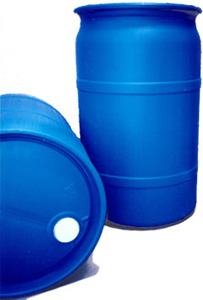
I’ve also seen many large 55 gallon and larger water barrels advertised on many sites but all of the one’s I’ve seen so far are made with polyethylene terephthalate which is BPA free but not DEHA free so although they may be more convenient for storing large amounts of water they do have the potential to leach the chemical DEHA into the water… especially if exposed to heat (like sitting on your patio or back yard in the sun)….so take that into consideration when deciding what to store your water in.
What Kind of Water to Store
Once you have your amounts of water and what bottle to use sorted out next comes filling them up with water. Make sure to sanitize your water bottles first before storing any water in them. I also strongly do NOT advise simply using tap (recycled toilet water).
More than 240 million Americans use water from contaminated public water systems every day, according to the Natural Resources Defense Council (NRDC). The Centers for Disease Control (CDC) estimates that almost 1 million people in America fall ill annually from water contaminated with harmful microorganisms and about 900 die from drinking contaminated water.

According to Environmental Working Group, since 2004, testing by water utilities has found 315 pollutants in the tap water Americans drink, according to an Environmental Working Group (EWG) drinking water quality analysis of almost 20 million records obtained from state water officials.
More than half of the chemicals detected are not subject to health or safety regulations and can legally be present in any amount. The federal government does have health guidelines for others, but 49 of these contaminants have been found in one place or another at levels above those guidelines, polluting the tap water for 53.6 million Americans.
The government has not set a single new drinking water standard since 2001.
Physicians for Social Responsibility reports that over 75,000 toxic synthetic and chemical compounds can be identified in this country’s water sources, though only a fraction of them are targeted for regulation.
The Environmental Protection Agency (EPA) recently documented approximately 83,000 violations of water quality standards by municipal water systems, featuring over 21,000 contaminants, organic and inorganic, over the past 30 years, almost 200 of them already proven to be linked with adverse health effects.
This doesn’t even take into account the known chemicals of chlorine and fluoride that is put into the water on purpose that have serious adverse health affects.
Chlorinated water can destroy polyunsaturated fatty acids and vitamin E in the body while generating toxins capable of free radical damage (oxidation). This might explain why supplementation of the diet with essential fatty acids like flax seed oil, evening primrose oil, borage oil and antioxidants like vitamin E, selenium and others helps so many cases of eczema and dry skin.
Chlorinated water destroys much of the intestinal flora, the friendly bacteria that help in the digestion of food and which protects the body from harmful pathogens. This can lead to an overgrowth of candida, yeast infections and constipation.
Chlorinated water contains chemical compounds called trihalomethanes which are carcinogens resulting from the combination of chlorine with compounds in water. These chemicals, also known as organochlorides, do not degrade very well and are generally stored in the fatty tissues of the body (breast, other fatty areas, mother’s milk, blood and semen). Organochlorides can cause mutations by altering DNA, suppress immune system function and interfere with the natural controls of cell growth.
Chlorine has been documented to aggravate asthma, especially in those children who make use of chlorinated swimming pools. Several studies also link chlorine and chlorinated by-products to a greater incidence of bladder, breast and bowel cancer as well as malignant melanoma. One study even links the use of chlorinated tap water to congenital cardiac anomalies.
And fluoride is a whole other topic on it’s own. It’s first approved use was as rat poison. If you want to read a really great article on fluoride: EPA’s Own Scientist Says, “Fluoridation is the Greatest Case of Scientific Fraud of This Century, if Not ALL Time!”
There are plenty of water stores that you can take your own bottles to be filled up on site. Many of them have extensive 12 stage filtration processes and some even filter out fluoride too. Or, if there are no stores like this local to where you live, buying your own water filtration system and running your tap water through a water purifier is another option.
Bottom line: just make sure to store clean pure filtered water….your health really depends on this.
Preserving Your Stored Water
So now that you bottles are all filled up with clean purified water and ready to be stored you want to make sure your water stays clean, safe and fresh with no bacteria building up.
I see hundreds of sites advising putting a few drops of chlorine bleach in the water. This is insane! There are much safer and healthier ways to keep your water clean and fresh.
Healthier options would be either stabilized oxygen or 100% therapeutic grade lemon essential oil.
Stabilized Oxygen

Stabilized oxygen eliminates bacteria, toxins, germs, and viruses and is completely non-toxic unlike chlorine. A 2 ounce bottle of stabilized oxygen drops will purify up to 55 gallons of water. ANY water source in the world can be made safe for consumption…. safely.
Simply add twenty drops of ION-X to one gallon of water.
Add 100 drops to every 5 gallons
One bottle of ION-X will treat 110 gallons of water.
Not only can stabilized oxygen be used for sanitizing water and preserving long term water storage but can be used medicinally as well. You can drink it in water to prevent illness. It can also be used topically on wounds, to kill harmful bacteria. It is an ideal item for your emergency medical kit.
I had success ordering stabilized oxygen from Country Living Mills although they don’t have the most user friendly site. You have to click on the “Store” link then the “Other Products” then scroll down about half way and you’ll see the ION-X Stabilized Oxygen Water Purification Drops.
For ION-X Stabilized Oxygen Water Purification Drops from Country Living Mills Site CLICK HERE
100% Therapeutic Grade Lemon Essential Oil

100% Therapeutic Grade Lemon Essential Oil is a strong anti-bacterial, anti-microbial oil. You see lemon advertised in most all commercial cleaning products because of this reason. Research by Jean Valnet, M.D., showed that vaporized Lemon essential oil can kill meningococcus bacteria in 15 minutes, typhoid bacilli in one hour, staphylococcus aureus in two hours and germs causing pneumonia within three hours.
Even a 0.2% solution of Lemon essential oil can kill diphtheria bacteria in 20 minutes and inactivate tuberculosis bacteria. Its antiseptic properties in the air and on surfaces will last for twenty days. It is perfect for destroying air-borne germs in hospital rooms, waiting rooms, and schools. It is particularly effective in neutralizing unpleasant body odors of patients suffering from cancer.
It’s also great for keeping water clean and fresh for long term water storage. Putting 3-5 drops of 100% therapeutic grade lemon essential oil in a 5 gallon bottle will kill bacteria and keep the water from growing mildew or getting yucky. It also gives the water a very nice flavor too.
It’s very important to use 100% therapeutic grade for this application….not perfume grade or B grade. 100% therapeutic grade means no toxic chemicals were used in the growing of or in the extraction or distillation of the oil AND low heat and low pressure were also used so that the chemical compounds responsible for the therapeutic benefit are still intact and haven’t been destroyed.
Most essential oil brands are NOT 100% therapeutic grade…they are perfume grade and B grades and will NOT work in this application. So make sure it says right on the label 100% therapeutic grade. Even the words pure, organic or natural do not necessarily mean they are 100% therapeutic grade….high heat and high pressure could have been used in the distillation process destroying the therapeutic properties so please do your research first before going to your local health food store and buying a bottle.
A 15 ml sized bottle contains 250 drops and lemon essential oil is one of the least expensive essential oils you can purchase so one bottle goes a long way.
PLEASE NOTE: The information in this article about essential oils is based solely on the use of 100% Pure Therapeutic Grade Essential Oils due to their high quality and tested purity. The use of a brand of uncertain quality and/or purity will provide you with potentially dangerous, if not lethal, results. The author of this article assumes no responsibility for your improper use of this information.
The statements about the essential oils and the stabilized oxygen are for educational purposes only and have not been evaluated by the Food and Drug Administration. These products are not intended to diagnose, treat, cure, or prevent any disease.
For 100% Therapeutic Grade Lemon Essential Oil CLICK HERE
I know this was a bit of a long article but hopefully this will give you some healthier ways to store water and be prepared.


 water filter that you choose, the price range is between $200 – $300 as of my last online check. The smaller portable
  filter looks to be around $65 at this moment.
 that might fit your plan. Looks like approximately $100, or a bit less, for a 55 gallon water storage barrel. You will also need a hand pump for the barrel, which sometimes bundled with the purchase. There are quite a variety of hand pumps ranging from $20 and up.